FBI Warns of AI-Powered Virtual Kidnapping Scams
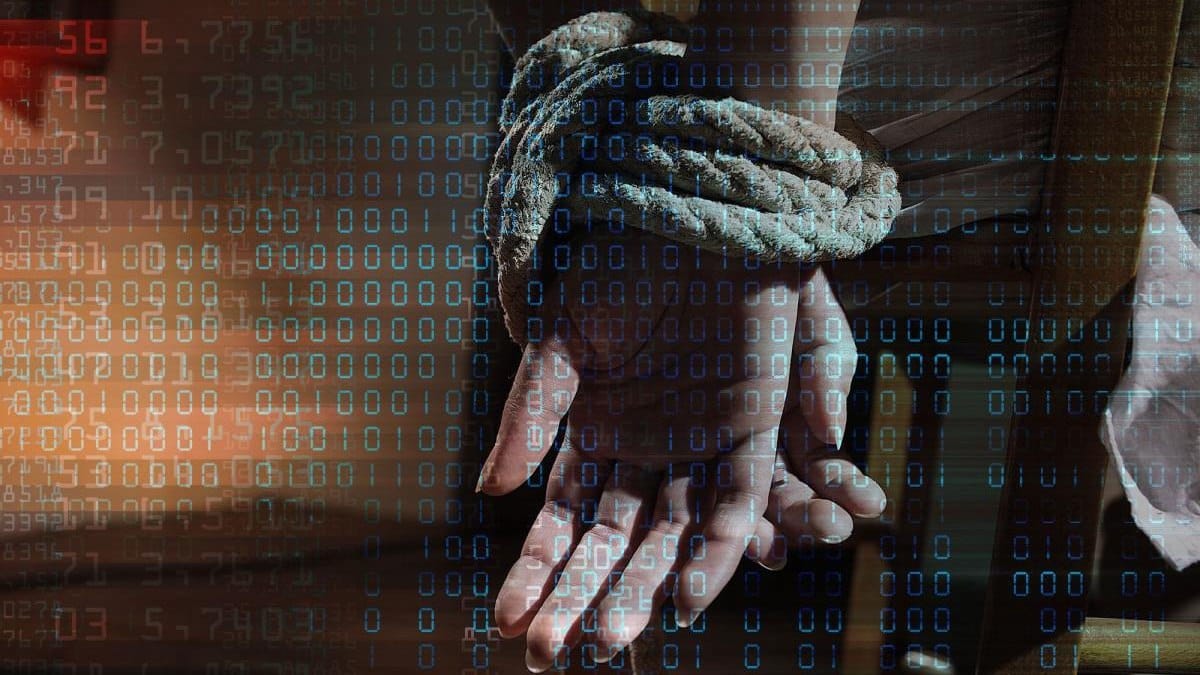
The FBI reports that scammers are now weaponizing AI to make "virtual kidnapping" schemes more convincing. Criminals harvest photos from social media, process them with AI tools, and use the manipulated images to convince victims their relatives have been abducted—then demand immediate ransom payments.
No actual kidnappings occur. The entire scheme relies on creating panic and exploiting AI-generated "proof."
How the Scam Works
Scammers typically contact victims via text message, claiming they've kidnapped a family member and demanding ransom. To make the threat credible, they send AI-manipulated photos or videos harvested from the victim's social media accounts. These images are processed to show the "hostage" in distress or dangerous situations.
Per FBI warnings, criminals frequently use self-destructing message features to limit the time victims have to analyze the images or regain composure. The attackers often threaten brutal violence if money isn't transferred immediately, creating intense pressure to act without thinking.
"At first glance, these photos and videos appear genuine," the FBI states. "But upon closer inspection, inconsistencies become visible—the absence of tattoos or scars, incorrect body proportions, or other details that don't match the actual person."
FBI Recommendations
Law enforcement urges potential victims to resist the manufactured urgency and verify claims before taking action. Specific protective measures include:
- Verify directly: Always attempt to contact the supposedly kidnapped person before sending money
- Establish code words: Agree on a family emergency code word that only immediate relatives know
- Limit exposure: Avoid sharing detailed personal information or travel plans with strangers on social media
- Inspect carefully: Look for inconsistencies in photos or videos—AI-generated content often contains subtle errors
Rising Threat Level
This AI-enhanced approach builds on older "emergency scams" where criminals impersonated relatives in distress over the phone. Last year, the FBI received 357 complaints about virtual kidnapping schemes, with total losses reaching $2.7 million.
The difference now: AI tools make the deception far more convincing. Finding photos online takes minimal effort, and neural networks can easily manipulate images or generate new ones that appear authentic at first glance.
In my OSINT investigations, I've seen how easily accessible personal photos are across social platforms—and how quickly AI tools can weaponize that content. The barrier to entry for this type of fraud has dropped significantly, making these scams more scalable for criminal operations.The FBI reports that scammers are now weaponizing AI to make "virtual kidnapping" schemes more convincing. Criminals harvest photos from social media, process them with AI tools, and use the manipulated images to convince victims their relatives have been abducted—then demand immediate ransom payments.
No actual kidnappings occur. The entire scheme relies on creating panic and exploiting AI-generated "proof."
How the Scam Works
Scammers typically contact victims via text message, claiming they've kidnapped a family member and demanding ransom. To make the threat credible, they send AI-manipulated photos or videos harvested from the victim's social media accounts. These images are processed to show the "hostage" in distress or dangerous situations.
Per FBI warnings, criminals frequently use self-destructing message features to limit the time victims have to analyze the images or regain composure. The attackers often threaten brutal violence if money isn't transferred immediately, creating intense pressure to act without thinking.
"At first glance, these photos and videos appear genuine," the FBI states. "But upon closer inspection, inconsistencies become visible—the absence of tattoos or scars, incorrect body proportions, or other details that don't match the actual person."
FBI Recommendations
Law enforcement urges potential victims to resist the manufactured urgency and verify claims before taking action. Specific protective measures include:
- Verify directly: Always attempt to contact the supposedly kidnapped person before sending money
- Establish code words: Agree on a family emergency code word that only immediate relatives know
- Limit exposure: Avoid sharing detailed personal information or travel plans with strangers on social media
- Inspect carefully: Look for inconsistencies in photos or videos—AI-generated content often contains subtle errors
Rising Threat Level
This AI-enhanced approach builds on older "emergency scams" where criminals impersonated relatives in distress over the phone. Last year, the FBI received 357 complaints about virtual kidnapping schemes, with total losses reaching $2.7 million.
The difference now: AI tools make the deception far more convincing. Finding photos online takes minimal effort, and neural networks can easily manipulate images or generate new ones that appear authentic at first glance.
In my OSINT investigations, I've seen how easily accessible personal photos are across social platforms—and how quickly AI tools can weaponize that content. The barrier to entry for this type of fraud has dropped significantly, making these scams more scalable for criminal operations.